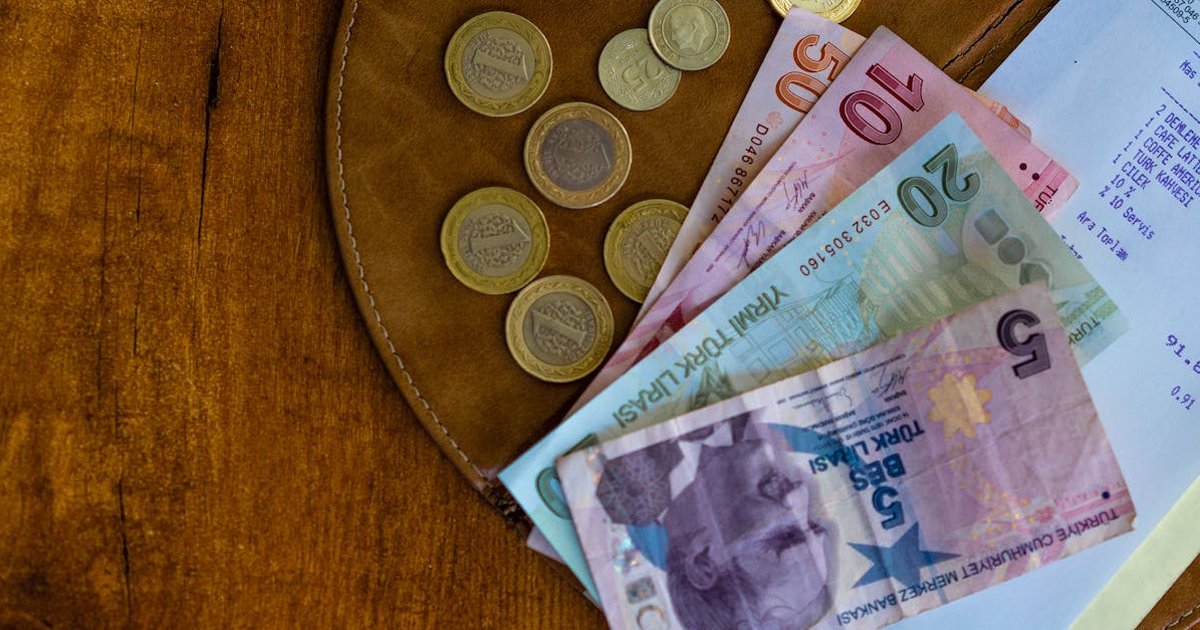
Creating a summer vacation budget before you book anything is the single best way to enjoy your trip without the post-vacation financial hangover. Whether you’re planning a family road trip, a solo adventure, or a romantic getaway, knowing your numbers upfront means you can say yes to experiences that matter and skip the ones that don’t.
This guide breaks down realistic budgets for every type of summer traveler, shows you how to allocate funds across major categories, and gives you practical strategies to stretch every dollar further.
Average Summer Vacation Costs in 2026
Before building your budget, here’s what travelers are actually spending:
| Trip Type | Duration | Average Total Cost |
|---|---|---|
| Family of 4 (domestic) | 7 days | $4,500 - $6,500 |
| Family of 4 (international) | 7 days | $8,000 - $14,000 |
| Couple (domestic) | 5 days | $2,000 - $3,500 |
| Couple (international) | 7 days | $4,000 - $7,000 |
| Solo traveler (domestic) | 5 days | $1,000 - $2,000 |
| Solo traveler (international) | 7 days | $2,500 - $5,000 |
These are averages — your actual costs depend heavily on destination, travel style, and how far in advance you book.
The 40/25/20/15 Vacation Budget Formula
Here’s a proven allocation framework that works for most summer trips:
- 40% Transportation — Flights, rental car, gas, airport transfers, parking
- 25% Accommodation — Hotel, Airbnb, resort, camping fees
- 20% Food and Dining — Restaurants, groceries, snacks, drinks
- 15% Activities and Entertainment — Tours, attractions, souvenirs, tips
Example: $3,000 Couple’s Trip
- Transportation: $1,200 (flights + rental car)
- Accommodation: $750 (5 nights at $150/night)
- Food: $600 ($120/day for two people)
- Activities: $450 (2-3 paid excursions + spending money)
Budget Planning by Trip Type
Family Vacation Budget
Families face the biggest budgeting challenge because costs multiply per person. Key strategies:
Accommodation: Choose vacation rentals over hotels — a 2-bedroom Airbnb often costs less than two hotel rooms and includes a kitchen. Cooking breakfast and lunch at your rental can cut food costs by 40%.
Transportation: If driving is feasible (under 8 hours), it’s almost always cheaper than flying a family of four. Factor in gas ($0.15-0.20/mile), snacks, and one overnight stop for longer drives.
Activities: Look for free and low-cost options first — beaches, hiking trails, public parks, free museum days. Budget for 1-2 paid attractions and let the kids pick which ones matter most.
Food budget for family of 4:
- Breakfast (at rental): $15/day
- Lunch (casual): $40/day
- Dinner (mix of cooking and dining out): $60/day
- Snacks and drinks: $15/day
- Daily total: ~$130/day
Solo Travel Budget
Solo travelers have the most flexibility. You can splurge on what matters to you and cut everything else.
Where to save: Hostels or budget hotels, street food, walking tours, public transportation.
Where to splurge: One signature experience per destination (cooking class, guided tour, special restaurant).
Daily budget benchmarks (solo):
- Budget style: $75-$100/day (domestic), $50-$80/day (Southeast Asia, Eastern Europe)
- Mid-range: $150-$200/day (domestic), $100-$150/day (Western Europe)
- Comfortable: $250+/day
Couples Getaway Budget
The sweet spot between family complexity and solo simplicity. Split costs make accommodations and transportation more affordable per person.
Romantic trip savings tips:
- Book boutique hotels midweek for 20-30% off weekend rates
- Choose all-inclusive resorts for predictable budgeting (especially in Mexico and Caribbean)
- Share appetizers and order one dessert — restaurant bills add up fast on vacation
For more strategies on managing money as a pair, read our guide on budgeting for couples.
8 Ways to Cut Summer Vacation Costs
1. Book Flights on Tuesday or Wednesday
Airline data consistently shows the cheapest fares are found Tuesday afternoons. Set price alerts 3-4 months before your trip and pull the trigger when you see a dip.
2. Travel During Shoulder Season
Late May or early September often has summer weather at spring prices. Avoid the July 4th and August peak if possible.
3. Use Credit Card Points Strategically
If you’ve been accumulating travel rewards, summer is the time to use them. Prioritize points for flights (highest value per point) over hotels.
4. Pack Snacks and Water Bottles
Airport and attraction food is marked up 200-400%. A $5 bag of trail mix from home replaces a $15 airport sandwich.
5. Choose One Splurge Per Day
Instead of trying to do everything, pick one “wow” experience daily. Free time in between lets you discover hidden gems and rest.
6. Get City Tourism Passes
Many cities offer multi-attraction passes (CityPASS, Go City) that save 30-50% if you plan to visit 3+ paid attractions.
7. Cook Half Your Meals
Staying somewhere with a kitchen? Cook breakfast and half your lunches. Save restaurant meals for dinner when you want the full experience.
8. Set a Daily Spending Limit
Withdraw a set amount of cash each day for discretionary spending. When it’s gone, you’re done for the day. This simple trick prevents budget creep.
Building Your Summer Vacation Budget Spreadsheet
Here’s what to track in your vacation budget template:
Pre-trip costs:
- Flights/transportation booking
- Accommodation deposits
- Travel insurance
- Passport/visa fees
- New luggage or gear
During-trip daily tracking:
- Meals (breakfast, lunch, dinner, snacks)
- Transportation (rideshares, public transit, parking)
- Activities and entrance fees
- Shopping and souvenirs
- Tips
Post-trip costs (often forgotten):
- Pet boarding or house sitting
- Laundry
- Car wash / home cleaning
- Photo printing or album
Tracking expenses during your trip keeps you accountable. Even a simple notes app works — just log every purchase at the end of each day. For a more structured approach, see how to track expenses effectively.
How to Save for Your Summer Vacation
Start 4-6 months before your trip:
- Set your total budget using the benchmarks above
- Divide by months remaining — that’s your monthly savings target
- Automate transfers to a dedicated vacation savings account
- Track progress weekly — adjust spending in other areas if you’re falling behind
For a $3,000 trip starting to save in January:
- January through June = 6 months
- $3,000 / 6 = $500/month savings target
FAQ
How much spending money should I budget per day on vacation?
For domestic U.S. travel, budget $50-$75 per person per day for food, activities, and incidentals beyond your pre-paid hotel and flights. For international travel, research your specific destination — costs vary dramatically between countries.
Should I use cash or cards on vacation?
Use a no-foreign-transaction-fee credit card for major purchases (fraud protection + rewards points) and carry small amounts of local cash for tips, street food, and small vendors. Avoid exchanging currency at airports — the rates are terrible.
When is the cheapest time to book summer travel?
Book domestic flights 1-3 months in advance and international flights 2-4 months ahead. Hotels are often cheapest when booked 3-4 weeks before arrival, but popular destinations sell out — balance savings against availability.
Plan Your Budget, Then Enjoy Your Trip
The whole point of a summer vacation budget isn’t restriction — it’s freedom. When you know exactly what you can spend, you stop stressing about every purchase and start actually enjoying your trip.
Need help organizing your finances before you travel? The Freelancer Expense Tracker ($9.99) makes it easy to categorize savings goals, track daily spending, and see exactly where your money goes — perfect for vacation planning and beyond.