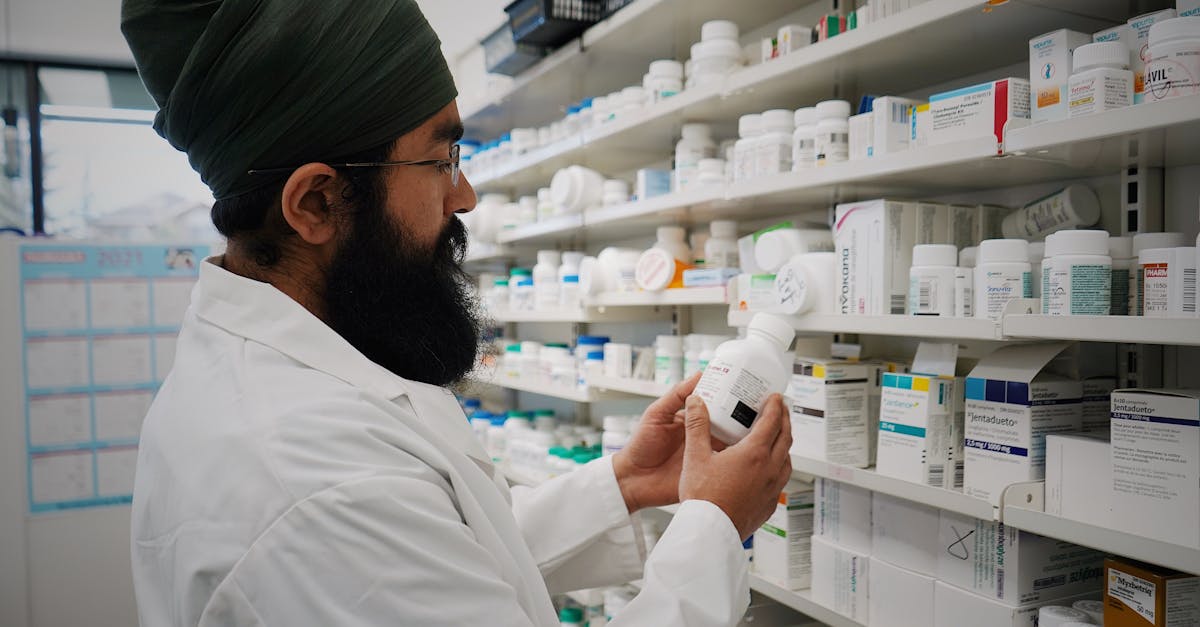
Pharmacists carry the largest non-physician student debt load in American healthcare — median PharmD debt now exceeds $170,000, with many graduates over $200,000. Yet the median pharmacist salary of $132,000–$145,000 makes standard 10-year repayment brutal: roughly $1,900/month in post-tax dollars. Public Service Loan Forgiveness can erase $60,000–$130,000 tax-free for qualifying pharmacists, but the catch is that CVS, Walgreens, Walmart, Rite Aid, and every other retail chain do not qualify. Where you work is more financially important than how much you earn. This guide tells you why.
The 30-Second Summary
- Pharmacists at VA, IHS, Public Health Service, nonprofit hospitals, FQHCs, and academic medical centers qualify for PSLF
- Pharmacists at CVS, Walgreens, Walmart, Rite Aid, Express Scripts, OptumRx, AllianceRx, Accredo do NOT qualify — all for-profit
- Median forgiveness for qualifying pharmacists: $60,000–$130,000 tax-free after 120 qualifying payments
- The single highest-value PSLF profession in America by dollar amount — because debt loads are enormous and high-quality nonprofit/government jobs are well-paid
Eligible Employer Categories for Pharmacists
PSLF requires that your direct W-2 employer be a government entity or a 501(c)(3) nonprofit. The pharmacy setting alone does not determine eligibility — the tax status of the entity issuing your paycheck does.
Always Qualifies ✅
- VA pharmacists — Department of Veterans Affairs employs ~20,000 pharmacists nationwide. Federal employment, automatic PSLF, generally competitive salaries ($120K–$160K) with federal benefits
- Indian Health Service (IHS) — Federal agency, qualifying employment, often combined with IHS Loan Repayment Program for double dipping
- Public Health Service (PHS) Commissioned Corps — Uniformed federal service, automatic PSLF
- Nonprofit hospital pharmacy — Academic medical centers (Mass General Brigham, UPMC, Cleveland Clinic, Mayo, Johns Hopkins, Stanford Health, UCSF, Duke, Emory)
- Federally Qualified Health Centers (FQHCs) — 501(c)(3) community health centers
- County jail, public hospital, and county/state psychiatric hospital pharmacies
- Nonprofit hospice and palliative care pharmacies
- 501(c)(3) nonprofit pharmacy schools — Faculty/clinical pharmacist appointments
Does NOT Qualify ❌ (Critical Pharmacist Traps)
- Retail chain pharmacy: CVS Health, Walgreens Boots Alliance, Walmart Pharmacy, Rite Aid, Kroger Pharmacy, Costco Pharmacy, Publix Pharmacy, Safeway/Albertsons Pharmacy — every major US retail chain is for-profit
- Mail-order/PBM pharmacies: Express Scripts (Cigna), OptumRx (UnitedHealth), CVS Caremark, Humana Pharmacy — all for-profit
- Specialty pharmacy chains: AllianceRx Walgreens Prime, Accredo (Cigna), CVS Specialty, Optum Specialty — all for-profit
- For-profit hospital systems: HCA Healthcare, Tenet, CHS, Ardent, LifePoint, Prime Healthcare — pharmacists at these hospitals do not qualify (see Memorial Health Savannah HCA PSLF trap)
- Outsourced hospital pharmacy contracts: When a nonprofit hospital outsources its pharmacy department to CompleteRx, Cardinal Health Innovative Delivery Solutions, Comprehensive Pharmacy Services (CPS), or Visante, the pharmacists are technically employed by the for-profit management company — PSLF eligibility depends on the contract structure
- Independent retail pharmacies — Almost always for-profit LLCs/S-corps
- For-profit pharmacy schools — A small but growing segment
Specialty Track Breakdown
Pharmacists work across six primary career tracks. PSLF eligibility varies massively between them, and the highest-paying tracks are often the worst PSLF options.
1. Hospital Pharmacist (Nonprofit) ✅ Best Combined PSLF + Career Path
- Setting: Inpatient pharmacy, order verification, IV room, clinical rounding
- Salary: $125,000–$155,000 at academic medical centers
- Tax Status: Most major academic medical centers are 501(c)(3). Most community nonprofit hospitals qualify.
- PSLF Eligibility: Almost always qualifies — confirm parent system tax status
- Critical Warning: If your hospital is owned by HCA, Tenet, CHS, Ardent, LifePoint, or Prime, you do NOT qualify even though it looks like a “regular hospital.” These for-profit chains operate hundreds of hospitals across the US.
2. Retail Pharmacist (CVS / Walgreens / Walmart / Rite Aid) ❌ The Biggest Trap
- Setting: Community/retail pharmacy, prescription dispensing, vaccinations, MTM
- Salary: $115,000–$145,000 (base) plus sign-on bonuses
- PSLF Eligibility: Zero. CVS Health, Walgreens Boots Alliance, Walmart, Rite Aid, Kroger, Costco, Publix, Safeway — every major US retail pharmacy chain is for-profit.
- The Math That Kills New PharmDs: A new graduate signs with CVS at $135K (vs. $125K at a VA or nonprofit hospital) and a $20,000 sign-on bonus. Sounds great — until you realize that 10 years at CVS means $100,000–$130,000 in unrealized PSLF forgiveness. The “premium” CVS paid you was actually a net $80,000+ loss.
- Exit Strategy: Many retail pharmacists transition to hospital, VA, or FQHC roles in years 1–3 to reclaim PSLF eligibility. Every retail month is a permanently lost PSLF month — you can never get them back.
3. Clinical Pharmacist at Academic Medical Center ✅ Highest PSLF Value
- Setting: Ambulatory care, oncology, transplant, infectious disease, anticoagulation, critical care — usually after PGY1/PGY2 residency
- Salary: $130,000–$170,000+ at AMCs
- PSLF Eligibility: Always qualifies (AMCs are 501(c)(3))
- Why This Is The Optimal Path: High salary (large IDR payments but still well below standard repayment) + guaranteed PSLF eligibility + career growth into management. The single best pharmacist career setup financially when you carry $170K+ debt.
4. Academic Pharmacy Faculty ✅ Underrated
- Setting: Teaching at a nonprofit PharmD program, often with clinical practice site
- Salary: $110,000–$160,000
- PSLF Eligibility: Qualifies if the university is 501(c)(3) nonprofit (which essentially all non-proprietary pharmacy schools are)
- Hidden Benefit: Many academic positions combine teaching + clinical practice at a nonprofit AMC = two PSLF-qualifying roles in one job
5. Specialty Pharmacy ❌ Mostly Disqualified
- Setting: High-cost specialty drugs for HIV, oncology, autoimmune, rare disease
- The Trap: The major specialty pharmacies — AllianceRx Walgreens Prime, Accredo (Cigna), CVS Specialty, Optum Specialty, BioPlus — are all for-profit. PSLF does not apply.
- Eligible Alternative: Some academic medical centers operate their own in-house specialty pharmacies under the parent 501(c)(3) hospital — these qualify if your W-2 is from the parent system
6. Mail-Order / PBM Pharmacist ❌ Always Disqualified
- Setting: Express Scripts, OptumRx, CVS Caremark, Humana Pharmacy — central fill operations
- PSLF Eligibility: Zero — all for-profit PBM-owned
- Note: These roles often pay well and offer remote work, but every month here is a PSLF month forfeited
Salary + Repayment Math
Pharmacist debt: $170,000 median, $200,000+ for many private PharmD program graduates. Here’s the actual SAVE plan math.
| Setting | Salary | SAVE Monthly Payment | 10-Year Payments | Likely Forgiven |
|---|---|---|---|---|
| VA pharmacist | $135,000 | ~$910 | ~$109,000 | $90,000–$130,000 |
| Nonprofit AMC hospital | $145,000 | ~$1,000 | ~$120,000 | $80,000–$120,000 |
| FQHC pharmacist | $120,000 | ~$800 | ~$96,000 | $100,000–$140,000 |
| Clinical pharmacist (post-PGY1/2) | $155,000 | ~$1,085 | ~$130,000 | $70,000–$110,000 |
| CVS/Walgreens (no PSLF) | $135,000 | N/A — standard repayment $1,900+ | $230,000+ | $0 |
The contrast is stunning: the FQHC pharmacist earning $25,000/year less than the CVS pharmacist ends up $100,000+ ahead over 10 years because of PSLF. This is the single largest financial reason for PharmDs to choose nonprofit/government employment.
Acquisition Trap Warning ⚠️
Hospital M&A is the largest hidden PSLF risk for pharmacists. When a nonprofit hospital gets acquired by HCA, Tenet, CHS, Ardent, LifePoint, or Prime, the entire pharmacy department’s PSLF clock stops the day the deal closes — even though you’re standing in the same pharmacy verifying the same orders for the same patients.
Real-world examples:
- HCA’s acquisition of Memorial Health Savannah ended PSLF for the entire clinical staff including pharmacy (full case study)
- Tenet’s acquisitions of Carondelet Tucson and other community systems have repeatedly flipped pharmacists out of PSLF eligibility
- HCA’s Mission Health Asheville and Lovelace Albuquerque acquisitions are documented PSLF disasters
Hospital pharmacy outsourcing is the second major trap: When your nonprofit hospital outsources the entire pharmacy department to CompleteRx, Cardinal Health, CPS, or Visante, your W-2 changes from the nonprofit hospital to the for-profit management company. Many pharmacists don’t realize this until they submit PSLF certification and it gets denied.
Defensive Actions:
- Submit PSLF certification annually so partial credit is locked in before any M&A event
- Ask in interviews: “Is the pharmacy department in-house W-2 to the hospital, or contracted through a management company?”
- If your hospital announces an acquisition by a for-profit chain, start your job search the same week
Step-by-Step PSLF Path for Pharmacists
Step 1: Confirm your loans are Direct Loans
Log in to StudentAid.gov. Most PharmD graduates have Direct Unsubsidized + Direct Grad PLUS loans. If you have older FFEL loans, consolidate to Direct Consolidation.
Step 2: Verify your employer’s tax status
- Search the PSLF Employer Search Tool by EIN
- Cross-check the IRS Tax Exempt Organization Search
- Critical for hospital pharmacists: confirm the pharmacy department is W-2 to the parent nonprofit hospital, not contracted through a management firm
Step 3: Enroll in SAVE or PAYE
SAVE produces the lowest payment for most pharmacists. With $170K+ debt and $130K+ income, SAVE saves $400–$700/month vs. PAYE.
Step 4: Submit the PSLF Employment Certification Form annually
Use the PSLF Help Tool. Annual submission is mandatory if you want to detect a tax-status change (acquisition, outsourcing) before you lose multiple years of credit.
Step 5: Track 120 qualifying payments
Full-time = 30+ hours/week. PRN pharmacists working at one qualifying employer + retail moonlighting do not combine — retail hours don’t count and aren’t aggregatable.
FAQ
Are PharmD residency years (PGY1/PGY2) eligible for PSLF? Yes — almost all PGY1 and PGY2 pharmacy residencies are based at nonprofit teaching hospitals or VA facilities. Residency payments count as qualifying payments. Make sure you are enrolled in an IDR plan during residency — many residents accidentally stay on the default standard plan and lose 1–2 years of qualifying payments.
I work at a Walgreens inside a hospital — does that qualify? No. The hospital may be a nonprofit, but if your W-2 is from Walgreens, you work for Walgreens. The pharmacy chain leases space inside the hospital — it is a separate for-profit corporate entity.
What about ambulatory care pharmacy at an FQHC? Yes — qualifies. FQHCs are 501(c)(3) and one of the highest-leverage PSLF setups: modest salary, strong PSLF forgiveness, often combined with the NHSC Loan Repayment Program for additional non-taxable repayment.
Can VA pharmacists also use the federal Student Loan Repayment Program (SLRP)? Yes, and this is one of the most underused combinations in healthcare finance. VA SLRP provides up to $40,000 in additional non-taxable loan repayment over 4 years, on top of PSLF qualifying payments. Apply during your hiring process.
My nonprofit hospital was just acquired by HCA. What do I do? Submit a PSLF certification immediately to lock in your prior qualifying months. Then begin your job search — VA, academic medical centers, and FQHCs in your region are immediate options. Every month after the acquisition is a non-qualifying month you cannot recover.
PSLF Resources for Pharmacists
- PSLF Core Guide — Overview for all public service professions
- PSLF for Public Health Nurses — Government health department and FQHC PSLF details
- PSLF for Librarians — Academic and government employment framework
- Memorial Health Savannah HCA PSLF Trap — Real case study of for-profit hospital acquisition destroying PSLF eligibility
- Free Budget Calculator — Calculate your SAVE plan payment vs. standard repayment at PharmD salary
- Freelancer Expense Tracker ($9.99) — Track income across PRN/per-diem pharmacist roles
Pharmacists are the highest-dollar-value PSLF profession in America. A PharmD with $170,000 in debt working at a VA, nonprofit hospital, or FQHC stands to have $80,000–$130,000 tax-free forgiven — provided they avoid the CVS/Walgreens/Walmart retail trap and stay alert to hospital acquisitions. Verify your employer before signing your next offer.