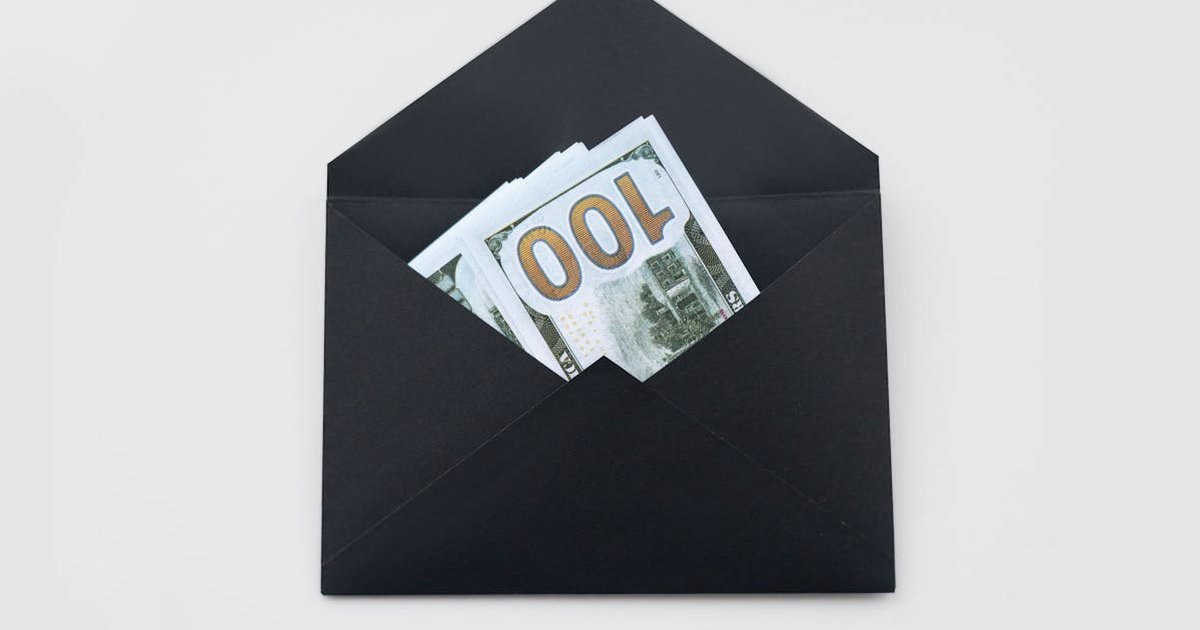
The envelope budgeting method — also called cash stuffing — is one of the oldest and most effective ways to control spending. The concept is beautifully simple: divide your money into envelopes labeled by category, and when an envelope is empty, you stop spending in that category.
While the method started with physical cash and paper envelopes, it has evolved into a powerful budgeting system that works just as well with digital tools like Notion, Excel, and budgeting apps. This guide covers everything you need to know to start envelope budgeting in 2026, whether you prefer cash or a fully digital setup.
What Is the Envelope Budgeting Method?
The envelope budgeting method is a spending management system where you allocate specific amounts of money to different spending categories. Each category gets its own “envelope” — either a physical envelope filled with cash or a digital equivalent in a spreadsheet or app.
The core rule is simple: once the money in an envelope runs out, you cannot spend any more in that category until the next budgeting period (usually a month). This creates a hard spending limit that makes overspending physically or visually obvious.
The envelope method is technically a form of zero-based budgeting because every dollar of your income gets assigned to a specific envelope. Nothing is left floating around unaccounted for, which eliminates the “where did my money go?” problem that plagues most budgeters.
How the Envelope System Works: Step by Step
Step 1: Calculate Your Take-Home Pay
Start with your monthly net income — the amount that actually reaches your bank account after taxes and deductions. If your income varies, use the average of your three lowest-earning months as your baseline. This ensures you can always cover your envelopes even during lean months.
Step 2: List Your Spending Categories
Identify the categories where you tend to overspend or want more control. The envelope system works best for variable expenses — the ones that change from month to month. Fixed expenses like rent and insurance are usually better handled through automatic payments.
Common envelope categories:
- Groceries
- Dining out / restaurants
- Entertainment
- Clothing
- Personal care
- Gas / transportation
- Gifts
- Household supplies
- Fun money / discretionary
Keep your list between five and eight categories. Too many envelopes become hard to manage, and too few do not give you enough control.
Step 3: Set a Budget Amount for Each Envelope
Review your last three months of spending to determine realistic amounts for each category. The key word is realistic — do not set your grocery envelope at $200 if you have been spending $400. Start with amounts close to your actual spending, then gradually reduce them as you build discipline.
Make sure your total envelope amounts plus fixed expenses plus savings do not exceed your income. If they do, you need to either cut categories or reduce amounts.
Step 4: Fund Your Envelopes on Payday
On payday, immediately distribute money into each envelope. With physical cash, this means withdrawing the total amount and physically stuffing labeled envelopes. With digital tools, it means logging the allocated amounts in your spreadsheet or app.
The timing matters. Funding your envelopes before you start spending ensures the money is set aside and accounted for. If you wait, the money tends to disappear into unplanned purchases.
Step 5: Spend Only From the Right Envelope
When you buy groceries, the money comes from your grocery envelope. When you eat at a restaurant, it comes from your dining-out envelope. If you want to buy new shoes but your clothing envelope is empty, you have three choices:
- Wait until next month when the envelope refills
- Transfer money from another envelope (but acknowledge the trade-off)
- Find the shoes at a lower price point
This forced decision-making is what makes the envelope method so effective. It transforms abstract budget numbers into tangible spending limits.
Physical Envelopes vs. Digital Envelopes
The original envelope method used physical cash, and many people still swear by it. But in 2026, where most transactions happen digitally, a purely cash-based system has limitations. Here is how the two approaches compare:
| Feature | Physical Cash Envelopes | Digital Envelopes |
|---|---|---|
| Spending awareness | Very high — handing over cash feels real | Moderate — requires checking your tracker |
| Convenience | Low — need to carry cash, make change | High — works with cards and online shopping |
| Security | Lower — cash can be lost or stolen | Higher — digital records are backed up |
| Tracking accuracy | Requires manual logging | Automatic or semi-automatic |
| Online purchases | Not possible with cash | Fully supported |
| Setup effort | Minimal — just envelopes and cash | Requires spreadsheet or app setup |
| Best for | Impulse spenders, visual learners | Tech-savvy budgeters, online shoppers |
The hybrid approach works best for most people in 2026: use cash envelopes for one or two problem categories (like dining out or entertainment) where the physical limitation helps the most, and use digital envelopes for everything else.
Setting Up Digital Envelope Budgeting
Using a Spreadsheet (Excel or Google Sheets)
A simple spreadsheet can serve as a powerful digital envelope system:
- Create a tab for each month
- List your envelope categories in column A
- Enter the budgeted amount in column B
- Log each expense in column C with a running total
- Column D shows the remaining balance (Budget minus Spent)
When the remaining balance hits zero, that envelope is empty. Color-code cells that are running low (yellow under 25%, red at zero) for a visual alert system.
Our Freelancer Expense Tracker includes built-in category tracking and dashboards that work perfectly as a digital envelope system.
Using Notion
Notion’s database features make it an excellent platform for digital envelope budgeting. You can create a database with properties for category, budgeted amount, spent amount, and remaining balance. Filtered views let you see individual envelopes or a dashboard overview.
Check out our guide on how to track expenses in Notion for a detailed walkthrough of setting up expense tracking in your Notion workspace.
Using Budgeting Apps
Several apps are designed specifically for envelope-style budgeting:
- Goodbudget — A virtual envelope system that syncs across devices
- YNAB (You Need A Budget) — Uses an envelope-inspired “give every dollar a job” philosophy
- Actual Budget — An open-source option for privacy-focused budgeters
Envelope Budgeting vs. Other Methods
How does the envelope method stack up against other popular budgeting approaches?
The 50/30/20 rule divides income into three broad categories (needs, wants, savings) without tracking individual expenses. It is simpler but offers less spending control. The envelope method is more granular and better for people who need firm category limits.
Zero-based budgeting assigns every dollar a purpose, similar to the envelope method. The main difference is that zero-based budgeting can work with any tracking system, while the envelope method specifically uses the “spend until empty” mechanic to enforce limits.
You can actually combine methods. Many budgeters use the 50/30/20 framework to set their high-level allocation, then apply envelope budgeting within the “wants” category where overspending is most likely.
Tips for Envelope Budgeting Success
Start with just three envelopes. Adding too many categories at once is overwhelming. Pick the three areas where you overspend the most and add more envelopes later as the habit develops.
Include a “miscellaneous” envelope. Unexpected small expenses happen every month. A catch-all envelope of $50 to $100 prevents these from derailing your other categories.
Review weekly, not just monthly. A quick five-minute check on your envelope balances every Sunday prevents surprises at the end of the month. This is one habit that separates successful budgeters from those who give up — learn more about common budgeting mistakes to avoid.
Do not borrow from savings. If your dining-out envelope runs dry, it is tempting to dip into your savings. Do not. The whole point is to feel the constraint and adjust your behavior. Transfer from another variable envelope if you must, but never from savings.
Celebrate milestones. When you finish a month with money left in your envelopes, acknowledge the win. Roll the surplus into savings or treat yourself from a dedicated “reward” envelope.
Who Should Use the Envelope Method?
The envelope budgeting method works especially well for:
- Impulse spenders who need physical or visual limits on spending
- Cash-oriented people who prefer tangible money management
- Couples who want clear spending boundaries for shared expenses
- Variable income earners who need to stretch limited funds carefully
- Budgeting beginners who want a concrete, easy-to-understand system
It may not be the best fit if you prefer automated tracking, rarely use cash, or find category-level management too time-consuming. In that case, the 50/30/20 rule or a simple monthly budget checklist might be a better starting point.
Frequently Asked Questions
How many envelopes should I start with?
Start with three to five envelopes covering your highest-spending variable categories like groceries, dining out, and entertainment. You can always add more later once the system becomes a habit. Starting with too many envelopes is one of the most common reasons people abandon the method early.
What happens if I run out of money in one envelope before the month ends?
You have two options: transfer money from another envelope (accepting that you will have less to spend in that category) or simply stop spending in that category until next month. The discomfort of running out is actually the point — it teaches you to pace your spending throughout the month.
Can I use the envelope method with a debit card?
Yes. Digital envelope budgeting works with any payment method. Instead of physical cash, you track your spending in a spreadsheet or app and mentally deduct each purchase from the appropriate envelope category. The key is checking your envelope balances before making purchases.
How do I handle expenses that do not fit into any envelope?
Create a small “miscellaneous” or “buffer” envelope for unexpected items. If a recurring expense keeps showing up outside your categories, that is a sign you need to add a new envelope or adjust an existing one.
Is envelope budgeting the same as zero-based budgeting?
They share the same principle of assigning every dollar a purpose, but they are not identical. Zero-based budgeting is a broader concept that can work with any tracking system. The envelope method is a specific implementation that uses the “spend until the envelope is empty” mechanic to enforce spending limits. Think of envelope budgeting as one way to practice zero-based budgeting.
Get Started With Envelope Budgeting Today
The envelope method works because it makes spending limits tangible and consequences immediate. Whether you use physical cash, a spreadsheet, or a digital app, the core principle stays the same: decide where your money goes before you spend it, and stop when the limit is reached.
Pick three categories, set your limits, and give it one full month. Most people who try envelope budgeting for 30 days never go back to their old spending habits.
Need a tracking tool? Our Freelancer Expense Tracker makes it easy to set up digital envelopes with built-in category tracking, charts, and a spending dashboard. Or explore our Notion budget templates for an all-in-one digital workspace approach.