How to Budget for Living in Fontana, CA
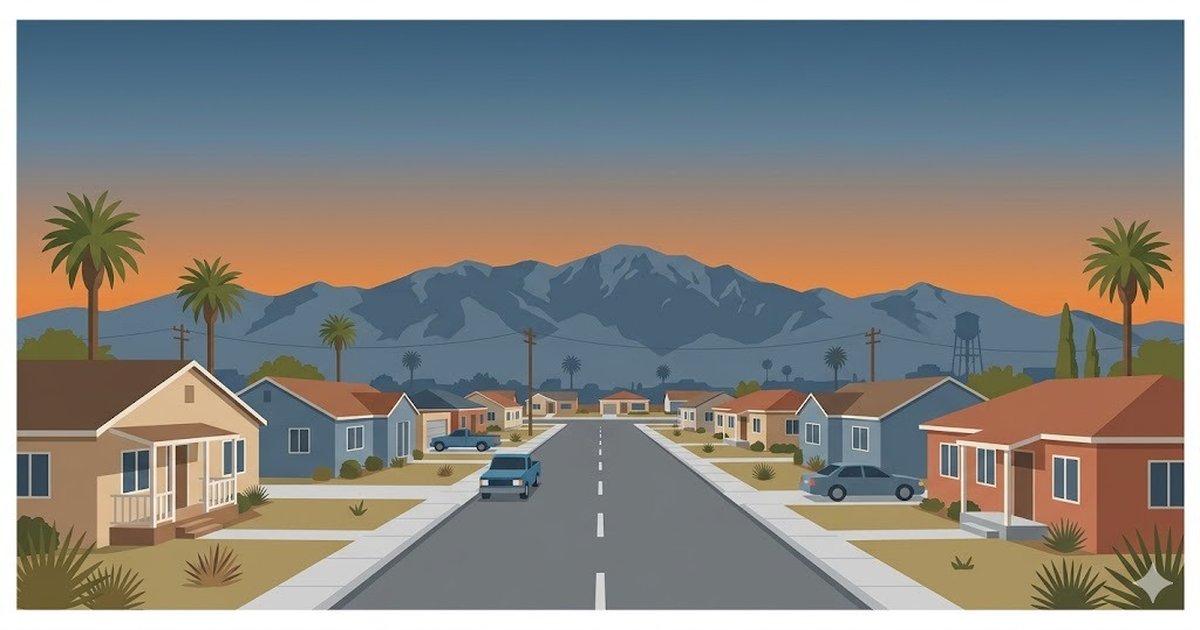
Budgeting for living in Fontana, CA places you in San Bernardino County’s third-largest city (~230,000) — a blue-collar Inland Empire community that has evolved from its steel manufacturing roots into a logistics and distribution hub. Fontana sits along Interstate 10, 40 miles east of downtown Los Angeles, sandwiched between Rancho Cucamonga (to the north) and Rialto (to the east). Like much of the Inland Empire, Fontana offers the closest thing to affordable California that exists within 60 miles of LA — with trade-offs that are worth understanding before you sign a lease.
Average Monthly Costs in Fontana (2026)
| Category | Estimated Cost |
|---|---|
| Rent (1BR apartment) | $1,550 - $2,000 |
| Rent (2BR apartment) | $1,900 - $2,500 |
| Utilities (electric, gas, water) | $130 - $250 |
| Groceries | $330 - $460 |
| Car Insurance | $150 - $230 |
| Gas & Transportation | $120 - $200 |
| Health Insurance | $200 - $400 |
| Entertainment & Dining | $160 - $280 |
| Phone & Internet | $80 - $135 |
| Total (1BR renter) | $2,720 - $3,955 |
Budget Breakdown by Income Level
$3,500/month (Warehouse worker, trades, retail management)
Fontana’s blue-collar economy — logistics warehouses, construction trades, and retail — provides employment at $18–$25/hour for frontline workers and $25–$40/hour for skilled tradespeople (electricians, plumbers, HVAC technicians with California licenses). At $3,500/month take-home, a 1BR at $1,650 is tight but manageable — roughly 47% of take-home, which is high but not exceptional by California standards. Skilled trades workers in Fontana are among the best-positioned blue-collar earners: licensed journeyman electricians or plumbers can earn $35–$50/hour, putting take-home at $5,500–$7,000/month and making Fontana financially comfortable.
$5,500/month (School district employee, healthcare tech, mid-level logistics manager)
Fontana Unified School District — one of San Bernardino County’s larger districts — employs teachers ($55,000–$90,000 with experience), classified staff, and administrators. San Bernardino County hospital system and Fontana Kaiser Permanente Medical Center employ healthcare workers at $70,000–$120,000. Mid-level logistics managers at the Inland Empire’s distribution networks earn $65,000–$90,000. At $5,500/month, savings of $800–$1,200/month are achievable — a meaningful wealth-building pace.
$8,000–$12,000/month (Remote tech, engineer, senior manager)
Remote workers choosing Fontana for LA-adjacent cost savings can achieve high savings rates. A software engineer earning $140,000 remotely saves $800–$1,400/month on rent vs. equivalent LA neighborhoods. Some executives and senior professionals in the logistics/supply chain industry — which dominates the Inland Empire economy — earn in this range and choose Fontana for its proximity to their employer base. At $8,000/month take-home, $2,500–$3,500/month savings are realistic.
Fontana’s Unique Cost Factors
Inland Empire Heat — Summer Utility Premium
Fontana sits in the San Bernardino Valley at approximately 1,237 feet elevation — high enough to be marginally cooler than Moreno Valley or Riverside (roughly 5°F difference at peak), but still subject to significant heat (100–108°F summer highs). Air conditioning costs run $200–$400/month in summer (June–September) for a 2BR unit. Budget $100–$150/month in annual average utility costs above what non-Inland Empire California cities show to account for the summer spike.
Air Quality — The Hidden Health Cost
Fontana, along with much of the San Bernardino Valley, has among the worst air quality in the United States during certain periods. The Inland Empire is geographically positioned to trap LA basin pollution (smog and particulates blow east and get trapped against the San Bernardino Mountains). The American Lung Association has consistently ranked San Bernardino County among the nation’s worst for ozone and particle pollution. Budget for: HEPA air purifiers ($150–$400 purchase, $50–$100/year filters), increased healthcare costs if you have respiratory conditions, and days when outdoor exercise is inadvisable.
Logistics Industry Wages — Improving
The post-2020 logistics wage surge persists. Fontana’s position in the I-10/I-15 corridor makes it a logistics hub. Starting warehouse wages: $18–$22/hour. Experienced forklift operators, logistics coordinators: $22–$32/hour. Supply chain managers: $75,000–$110,000. If your career is in logistics, Fontana is one of the densest employer concentrations in the West.
NASCAR Auto Club Speedway — Local Asset and Event Disruption
The Auto Club Speedway (NASCAR Fontana track) hosts major racing events. These events bring economic activity and noise/traffic disruption to nearby neighborhoods. The speedway area’s development has also created adjacent retail and hospitality employment. For racing fans, this is a meaningful local amenity (same-day tickets to practice sessions can cost as little as $20–$40).
California Income Tax — Inescapable
At $80,000 gross: approximately $5,500–$7,000/year in California state income tax. At $130,000 gross: approximately $11,000–$13,000/year. Factor into all salary calculations regardless of Fontana’s cost advantages.
What You Save in Fontana vs. Nearby Cities
| City | 1BR Median Rent | Difference vs. Fontana |
|---|---|---|
| Rancho Cucamonga (adjacent north) | $2,000 - $2,600 | $300 - $800 more |
| Upland | $1,900 - $2,400 | $200 - $600 more |
| Fontana | $1,600 - $2,000 | — |
| Rialto (adjacent east) | $1,500 - $1,900 | similar or slightly less |
| San Bernardino | $1,300 - $1,700 | $200 - $500 less (higher crime) |
Sample Monthly Budget: $5,500 Take-Home
| Expense | Amount |
|---|---|
| Rent (1BR) | $1,750 |
| Utilities | $170 |
| Groceries | $380 |
| Car Insurance | $175 |
| Gas / Transportation | $160 |
| Phone & Internet | $90 |
| Healthcare | $200 |
| Entertainment & Dining | $230 |
| Savings | $900 |
| Miscellaneous | $150 |
| Total | $4,205 |
| Surplus | $1,295 |
Neighborhoods and Rent Variation
| Neighborhood | 1BR Range | Notes |
|---|---|---|
| North Fontana (near Rancho border) | $1,800 - $2,200 | More desirable, newer housing |
| Summit Heights | $1,750 - $2,100 | Hillside, slightly better air quality |
| Central Fontana | $1,550 - $1,950 | Established neighborhoods, older stock |
| South Fontana (near Rialto) | $1,450 - $1,850 | More affordable, more industrial adjacent |
Who Thrives in Fontana
Best fit for: Logistics and supply chain workers, skilled tradespeople with California licenses, Fontana Unified and San Bernardino County employees, families seeking affordability within commuting distance of the Ontario Airport/San Bernardino job market, remote workers maximizing savings.
Harder fit for: Those with respiratory conditions (air quality risk), daily LA commuters (40 miles of 10 freeway congestion), workers needing walkable urban environments, households with heat intolerance.
Plan Your Fontana Budget
Our Personal Finance Dashboard handles the irregular overtime and seasonal income patterns common in Fontana’s logistics and construction economy. For households planning a home purchase in Fontana (a realistic goal given median prices), the Personal Finance Dashboard includes savings goal tracking for down payments.
FAQ
Is Fontana a good place to live? It depends heavily on your priorities. If you value affordability, access to logistics jobs, and don’t mind heat/air quality trade-offs, Fontana works well. If air quality is a concern (children with asthma, respiratory conditions) or you need urban walkability, look elsewhere.
How is Fontana for families? Fontana Unified School District is large and mixed — some strong programs, some struggling schools. North Fontana neighborhoods near Rancho Cucamonga have the strongest school reputations. The city has good parks and family infrastructure overall.
Is Fontana growing? Yes. New housing development, particularly in north Fontana, continues. The logistics industry expansion drives population growth and new commercial development. The city has invested significantly in civic infrastructure over the past decade.